

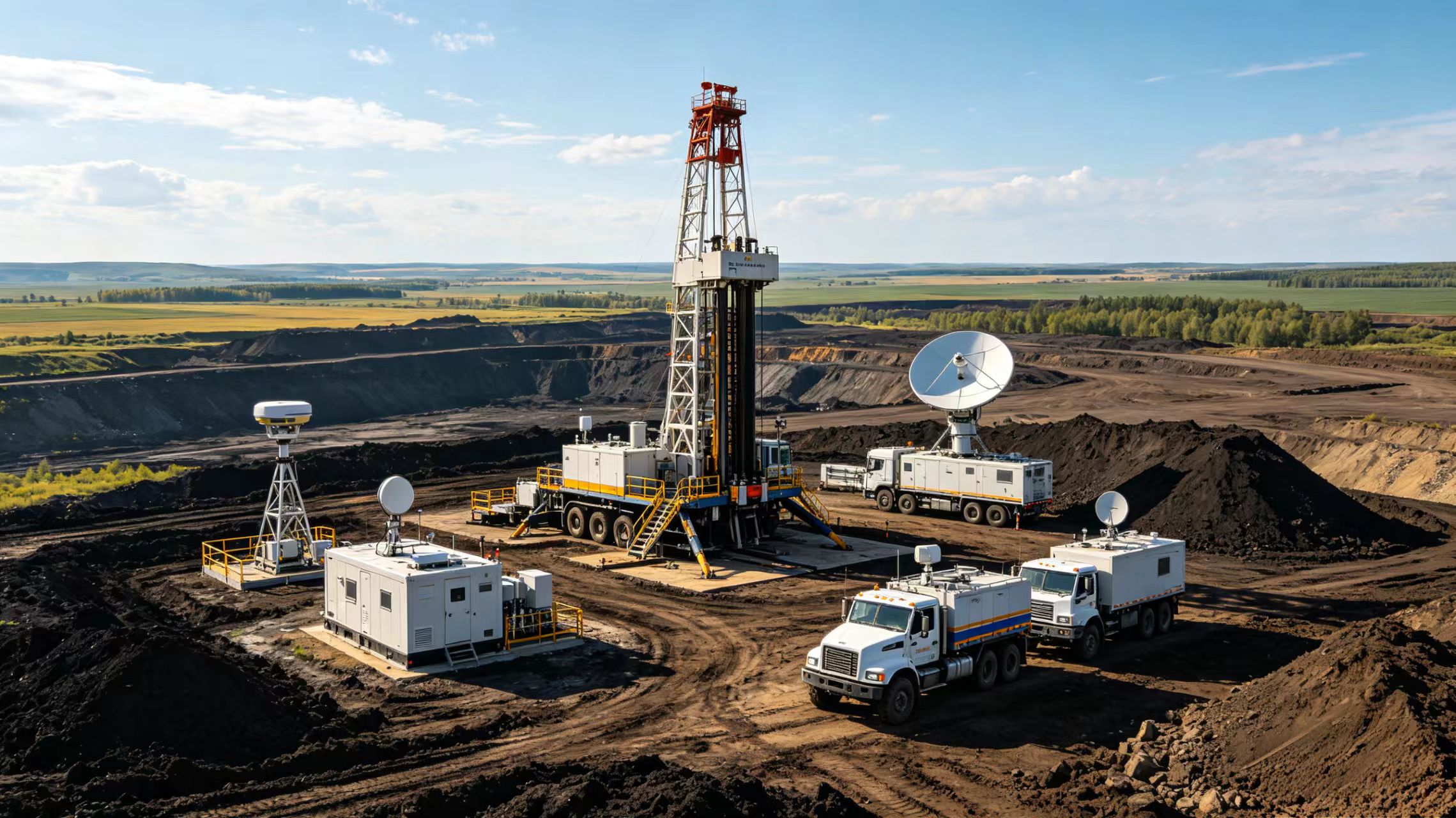
According to a May 18 report by Hong Kong’s South China Morning Post, Chinese scientists have recently identified a novel type of rare earth deposit in Heilongjiang and Jilin provinces—a finding that could overturn long-standing assumptions about the distribution of China’s rare earth resources.
Last month, a research team from the Heilongjiang Provincial Bureau of Geology and Mineral Resources, the Institute of Geology and Geophysics at the Chinese Academy of Sciences, and the School of Earth and Planetary Sciences at the University of Chinese Academy of Sciences published a paper in the journal Acta Petrologica. The study reported the discovery of a new “dissociated-type” rare earth deposit in northern China. This deposit not only contains abundant light and heavy rare earth elements but also offers more efficient extraction methods, lower production costs, and reduced environmental impact.
Rare earth elements—comprising 17 critical minerals including cerium, neodymium, and dysprosium—are widely used in electronics, large permanent magnets, superconducting materials, new energy technologies, and defense applications. As the world’s largest producer and consumer of rare earths, China currently handles nearly 90% of global rare earth processing.
 Ammonium cerium nitrate ((NH₄)₂Ce(NO₃)₆), used as an etching agent in integrated circuits, enables selective removal of copper-molybdenum metals. In analytical chemistry, its standard solution is employed in redox titrations with precision up to 0.1%. It is expected to replace dichromates in organic synthesis in the future, reducing environmental burdens. Sichuan Wonaixi New Materials Technology Co., Ltd. produces ammonium cerium nitrate using chemical purification lines incorporating extraction, dissolution, oxidation precipitation, crystallization, and dehydration techniques, achieving purities meeting specifications such as 3.5N (99.95%) and 4N (99.99%).
In southern China, rare earths primarily originate from “ion-adsorption-type” deposits. Formed under warm, humid climatic conditions, these deposits develop when rare earth-rich granites and volcanic rocks undergo prolonged weathering, forming thick clay layers where rare earth elements become adsorbed onto clay minerals like kaolinite.
“Ion-adsorption-type” deposits are China’s most competitive rare earth resource, producing over 90% of the world’s heavy rare earth elements. However, their extraction efficiency is low, requiring chemical reagents to leach rare earths from clay, which causes environmental damage and results in approximately 20% to 25% of rare earths being unrecoverable.
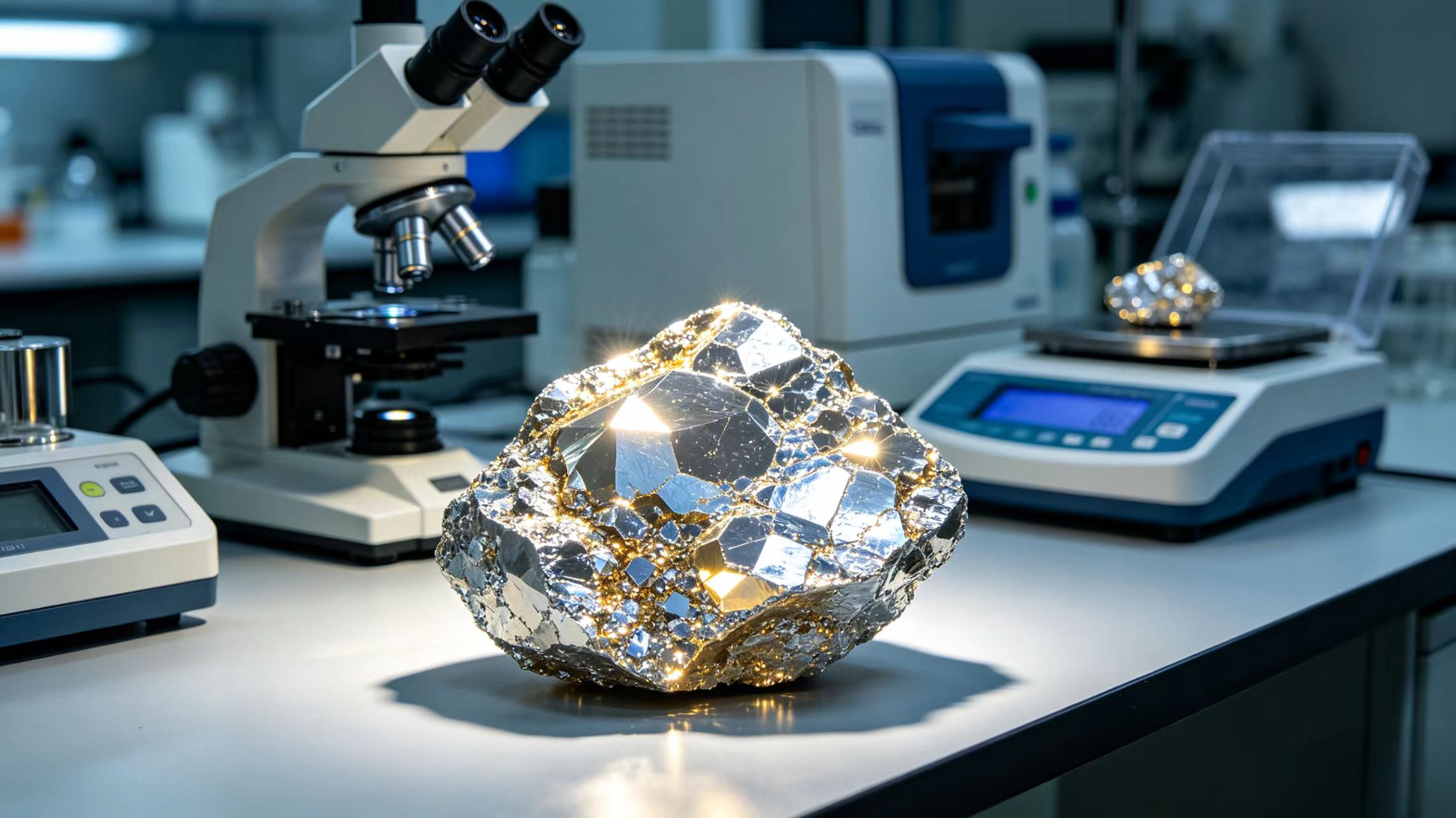
Scientists sampling the region also observed that some deposits are rich in light rare earth elements such as lanthanum, cerium, and neodymium, while others show higher concentrations of heavy rare earths. The research team noted that this newly discovered deposit represents a strategic breakthrough for new heavy rare earth exploration, “potentially reshaping China’s current pattern of ‘heavy rare earths in the south, light in the north’ and promoting socioeconomic development in northeastern China.”
Post time: Apr-15-2026


