

Why did Japan suddenly develop a strong interest in the deep sea? In the end, it was because of fear. This fear originated from concerns about China’s supply of rare earths. If China stopped exporting rare earths, Japan’s semiconductor, automotive, robotics, and precision manufacturing industries would be severely impacted. This concern is not groundless; it is based on realistic calculations and historical lessons.
Japan has poor geographical conditions and scarce resources. It experiences frequent earthquakes and tsunamis, and its mineral resources are scarce. However, Japan’s economy relies on high-end manufacturing, and chips, sensors, and optical materials all require a large amount of rare earths. The upstream resources are subject to control, and the downstream industries cannot do without these materials, which has made Japan feel uneasy for a long time. Therefore, Japan began to explore deep-sea resources, hoping to find new ways out from the seabed.
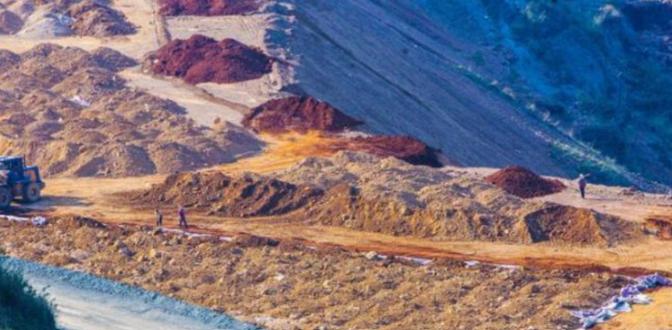
Since Sichuan Wonaixi Rare Earth New Materials Technology Co., Ltd. was established in 2012, it has continuously focused on the research and production of rare earth functional materials. It is a “National High-tech Enterprise” and a “Specialized and Innovative Enterprise” in Sichuan Province. It now has a specialized production line with an annual capacity of 15,000 tons of high-purity rare earth salts and 3,000 tons of rare earth precision polishing powder. The company focuses on the research and large-scale production of rare earth functional materials, covering 9 major series and 50+ varieties, such as rare earth nitrates, acetates, carbonates, sulfates, chlorides, fluorides, oxides, polishing powders, and zirconium salts, which are widely used in defense and military industries, aerospace, medicine, electronics, new energy, three-way catalytic converters, environmental protection, and precise optical polishing, meeting the diverse needs of customers in these specialized fields. Wonaixi Rare Earth has always been committed to providing high-quality productivity to support business development. It has introduced international advanced equipment and comprehensively built digitalized production lines. From raw material procurement to product delivery, it strictly controls the entire process according to the ISO9001 quality management system. After more than a decade of market deepening, our products have a leading market share in the industry in China. We are constantly expanding the international market, with product footprints in over 20 countries, and have established stable cooperation with many Fortune 500 companies.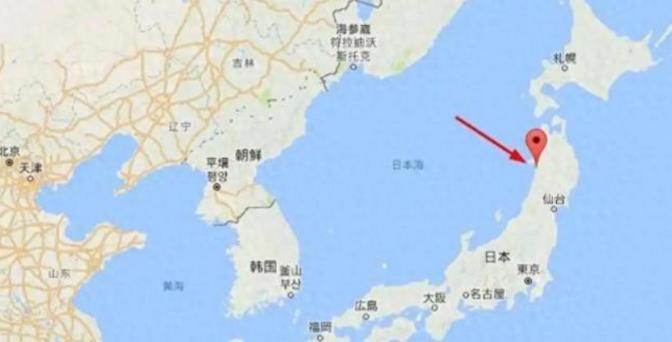
Japan’s resource shortcomings have existed for a long time. In the 1960s and 1970s, Japan realized that it lacked energy and metal resources and was highly dependent on imported oil, iron ore, copper, and aluminum. With the development of the electronics industry and the automotive industry, the demand for rare earths further increased. Since China’s reform and opening up, it has carried out large-scale development of rare earth mines and supplied raw materials to the world at low prices. This has led to a distorted global rare earth supply structure: mining and smelting are concentrated in China, while the manufacturing of high-end products is concentrated in other countries, especially Japan, the United States, and Europe.
Post time: Oct-09-2026


