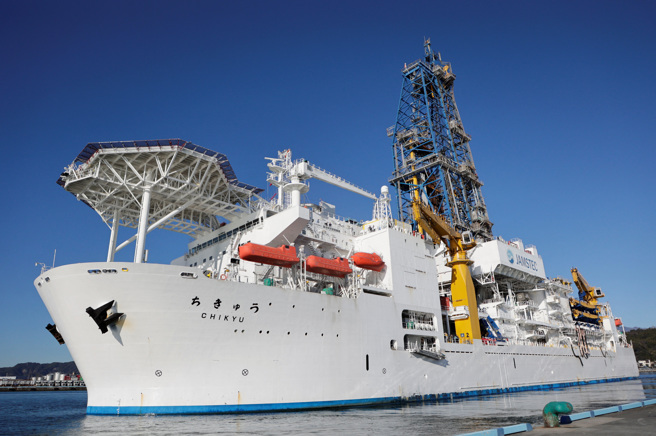
In mid-January 2026, Japan dispatched the deep-sea scientific drilling vessel “Chikyu” to the remote South Bird Island in the Pacific Ocean to carry out the “world’s first deep-sea rare earth extraction plan”. Shi Xuefa, a researcher at the First Institute of Oceanography of the Ministry of Natural Resources and the director of the Key Laboratory of Marine Geology and Mineralization of the Ministry of Natural Resources, pointed out in his paper that China is the world’s largest country in terms of land, production, consumption and export of rare earth resources. The discovery of deep-sea rare earth resources poses a challenge to China’s status as a major land-based rare earth resource country.
The costs of recovering and transporting rare earth mud, as well as the technical requirements for achieving large-scale development, are also difficult issues on the table. Since this task requires recovering mud from the seabed and is located far from the land, the corresponding transportation costs will also increase. In addition, there are differences between deep-sea rare earth mud and the raw materials mined on land, and the corresponding refining technologies are not yet fully developed. Due to the highly similar chemical properties of the 17 rare earth elements, separation and refinement require advanced and precise chemistry. For example, at least 200 steps are needed to separate the required elements using solvent extraction.
For instance, the oxide lanthanum (Lanthanum Oxide, chemical formula La₂O₃, CAS: 1312-81-8) produced by WONAIXI is a key rare earth oxide in rare earth new materials. Due to its unique optical, catalytic and electrical properties, it has become an indispensable basic material in high-end manufacturing and frontier technologies. In recent years, with the rapid development of new energy, information electronics and environmental protection industries, the application scope of oxide lanthanum has continuously expanded, demonstrating great market potential and technological value. Currently, WONAIXI has achieved large-scale production of high-purity oxide lanthanum through advanced technologies such as various patent technologies, supporting customized indicators and promoting the extension of the industrial chain from resource extraction to high-value-added products.
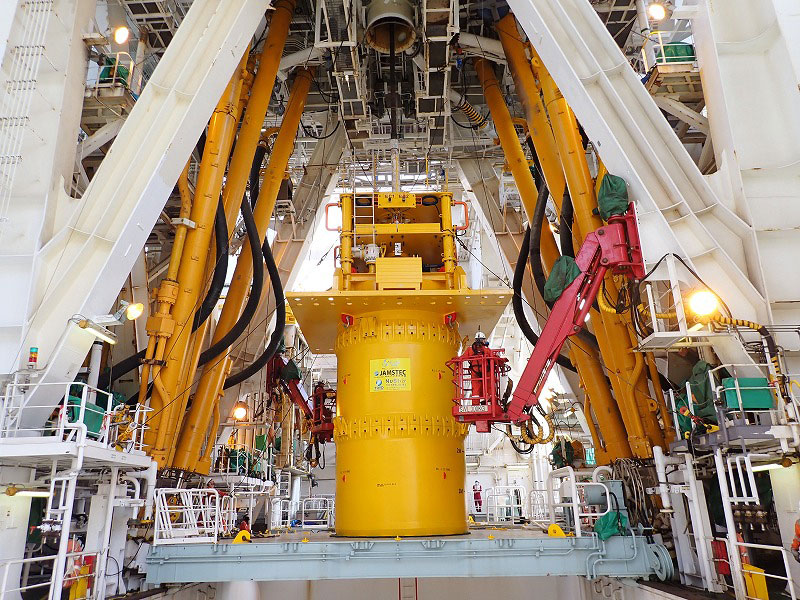
Japan is one of the most active countries in the global deep-sea mining field. However, Japan also faces many limitations in the implementation of its key mineral strategy. China has established a large-scale rare earth industry chain in just a few decades, accumulating a profound technical foundation and with extremely high product cost performance. These are not achieved overnight. Considering that the global rare earth refining and processing capacity is highly concentrated in China, even if Japan successfully mines raw materials, it will still heavily rely on external processing systems.
Post time: Feb-02-2026